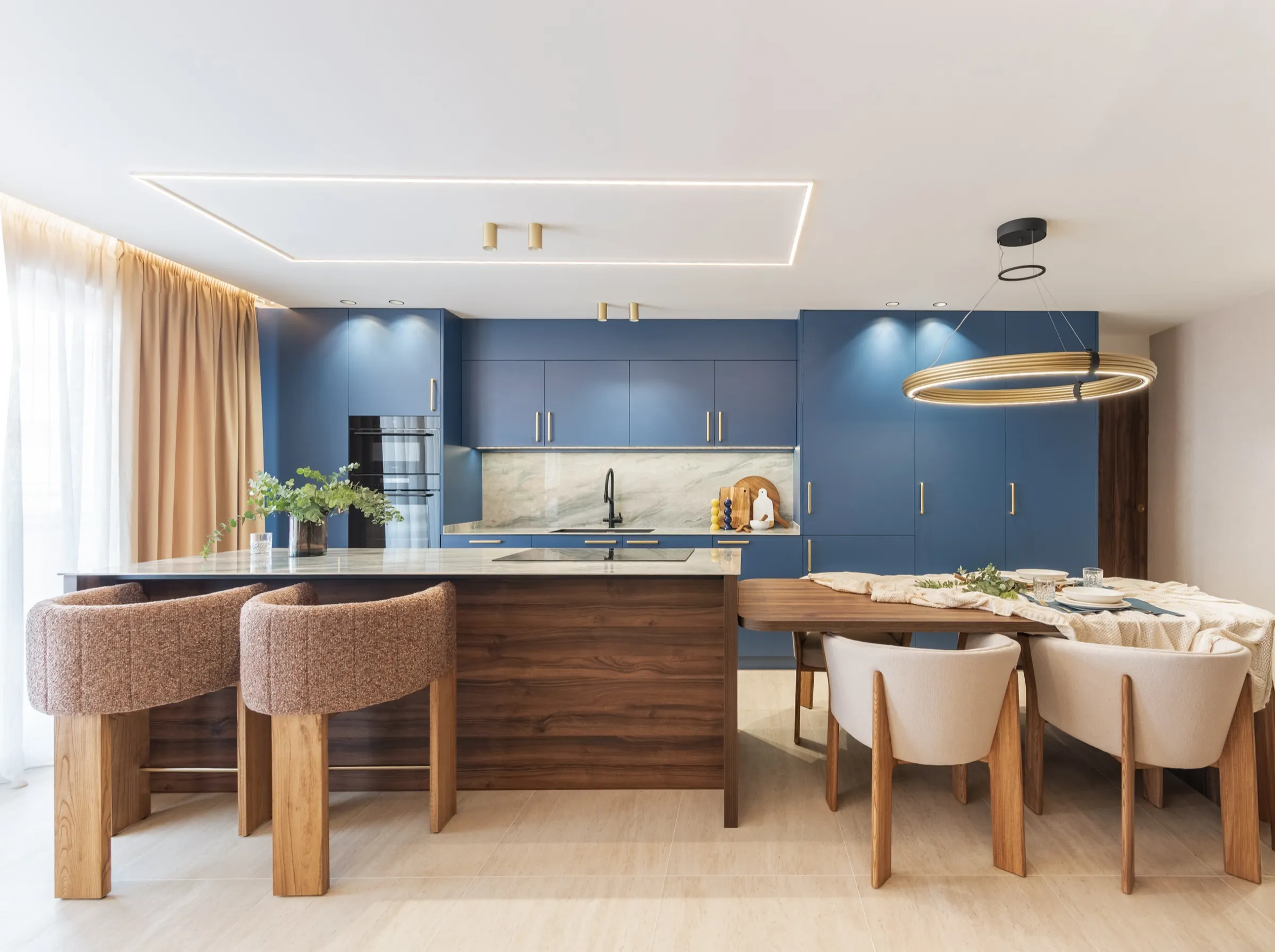
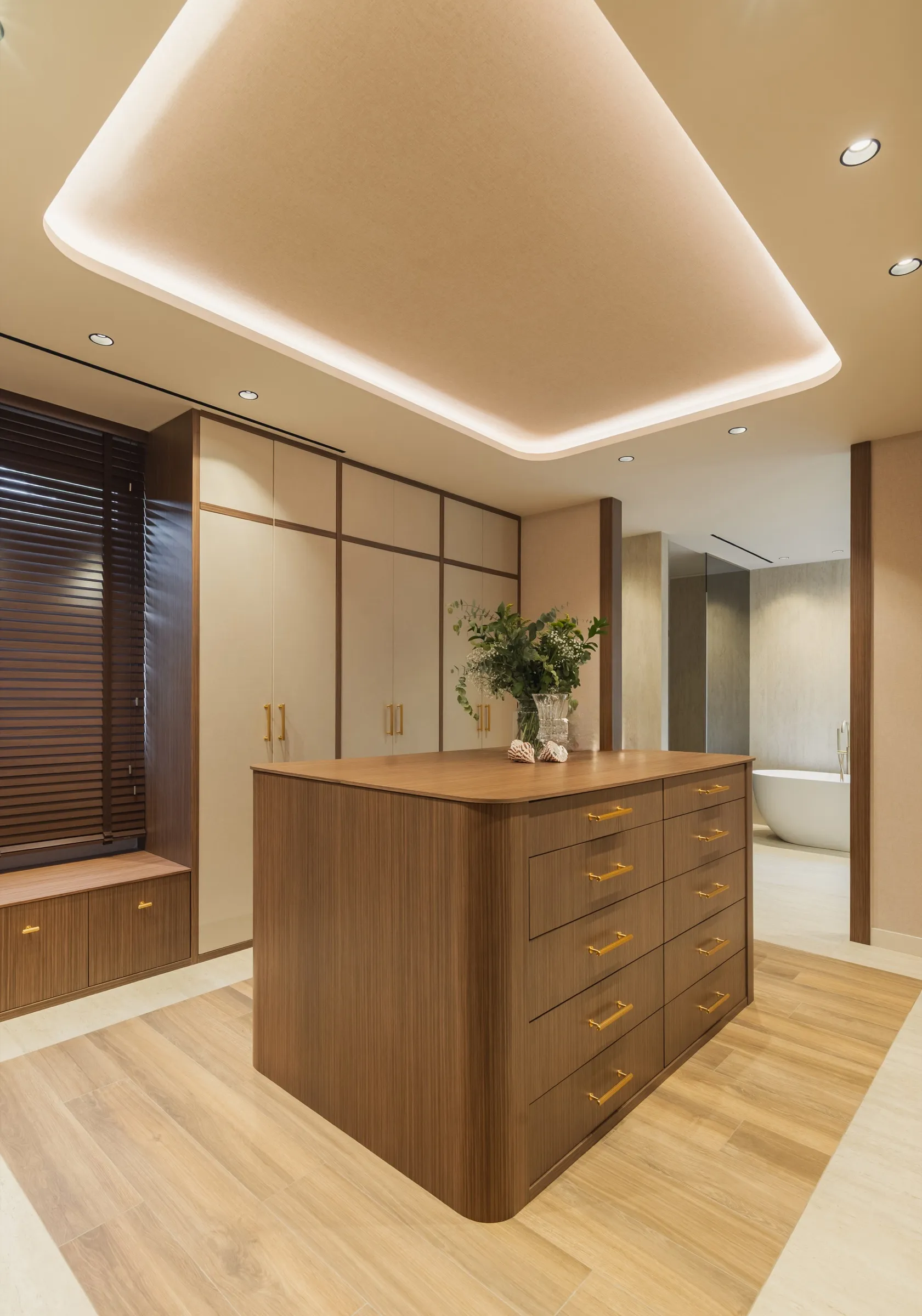
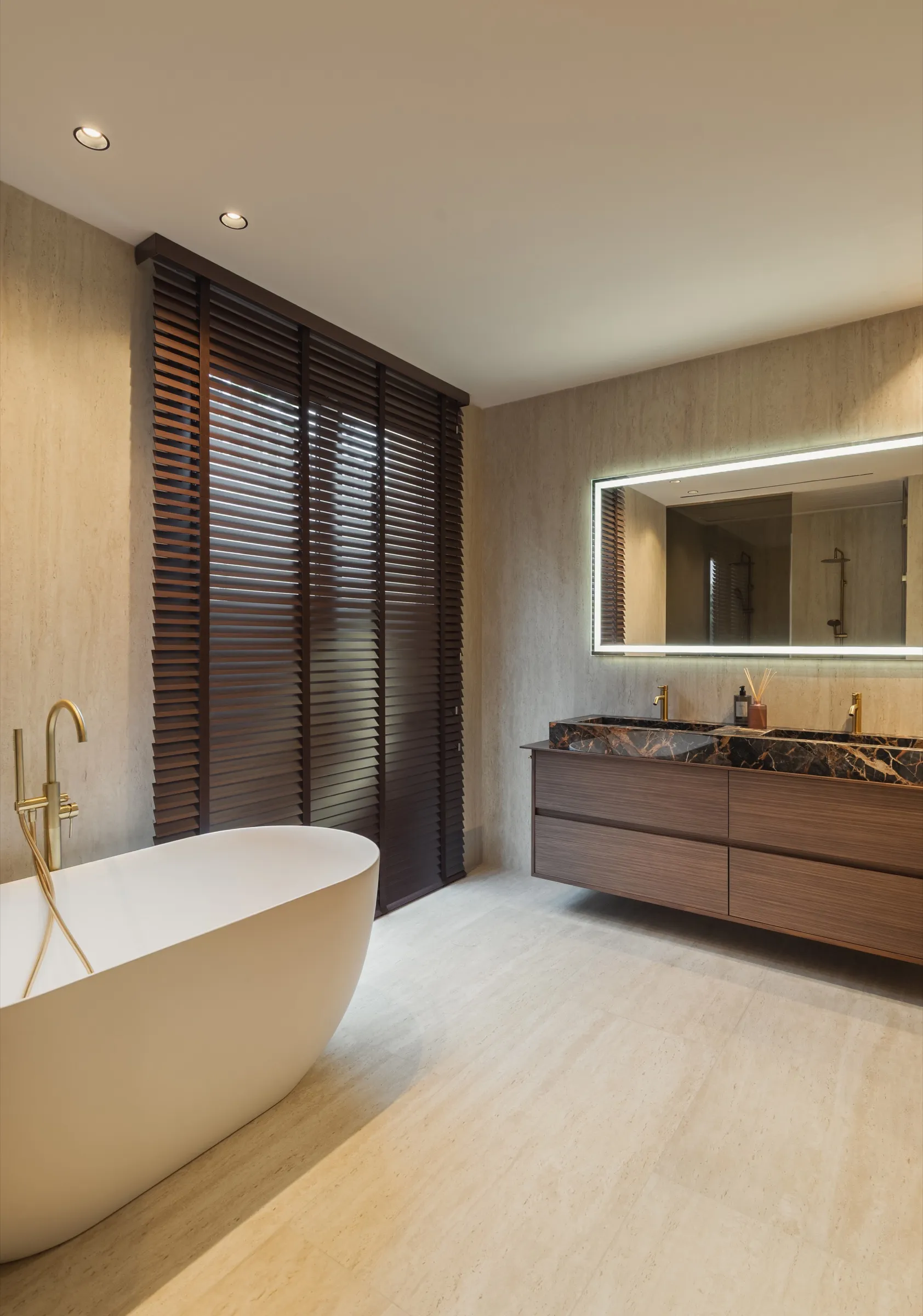
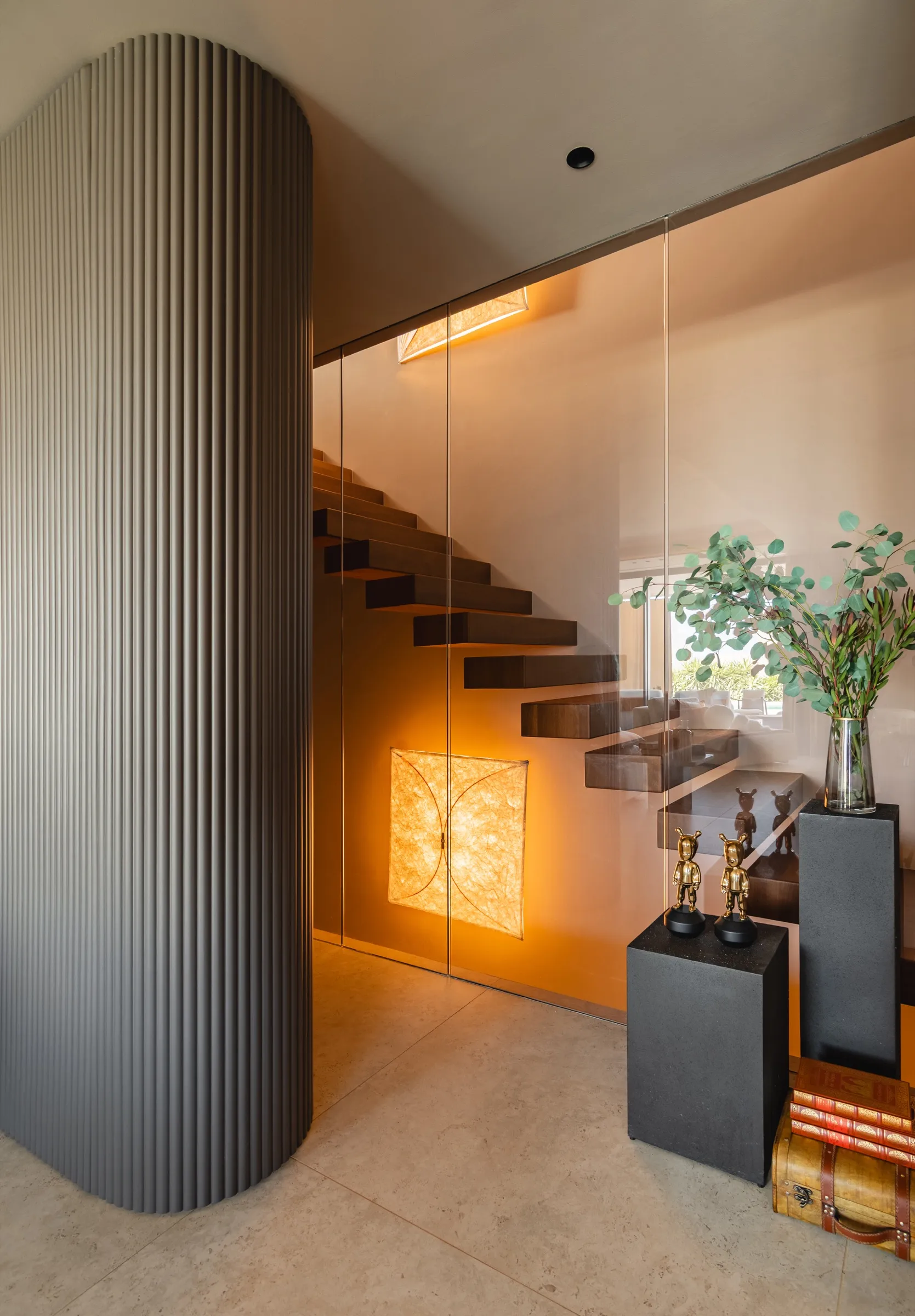
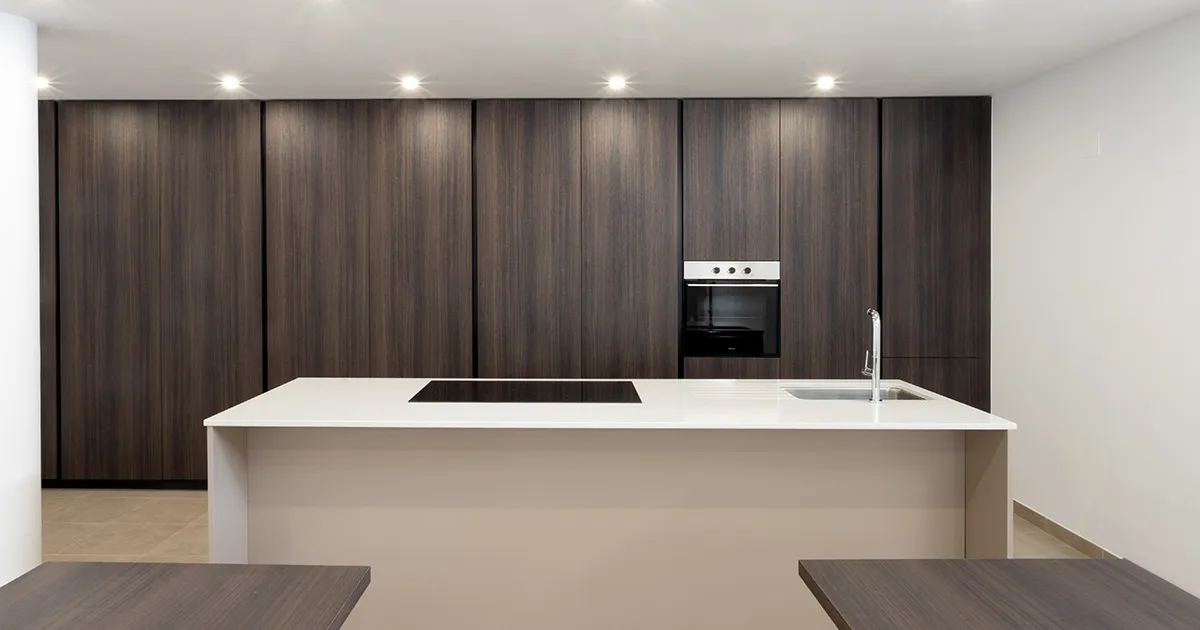
Designing a kitchen from scratch is not just about choosing units and materials. It is about thinking about how the space will be lived in, what we want to convey and feel within it, and how the colour palette can shape that experience. Deciding between a kitchen in light or dark colours is by no means a purely aesthetic choice, but rather a strategic decision that affects the perception of the space, maintenance and the way it fits into the user’s lifestyle.
Below, we explore the situations in which dark colours work best and when it is preferable to opt for lighter tones, so that the kitchen works in your favour and makes everyday life easier.
When to choose dark colours
-
Large, well-lit spaces: Dark tones absorb light, so they work particularly well in spacious kitchens with plenty of natural light.
-
Sophisticated and contemporary aesthetics: Black, anthracite and charcoal tones add character. They are ideal when looking for a more elegant aesthetic.
-
Materials that enhance contrast: Natural wood surfaces, light worktops and metallic details are visually enhanced even further when set against dark backgrounds.
-
When looking to conceal: Dark, matt finishes help disguise joints, integrated appliances and the lines of the furniture, creating a cleaner overall look.
When to choose light colours
-
Small kitchens or spaces with little natural light: Light tones reflect light and help make the space feel visually larger, lighter and more pleasant.
-
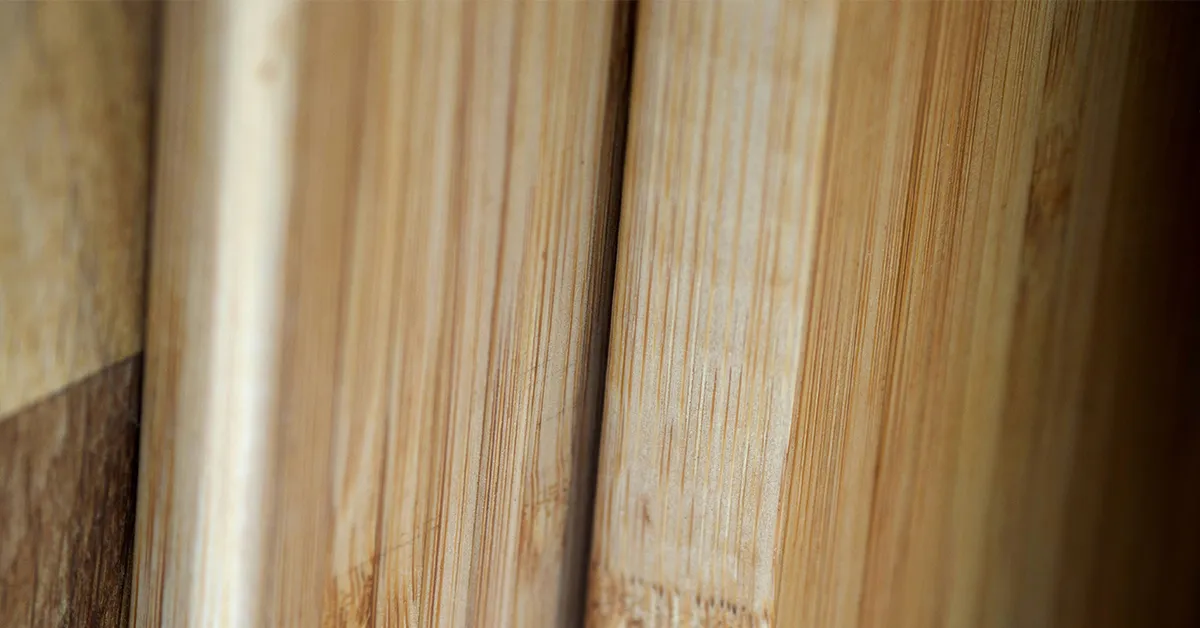
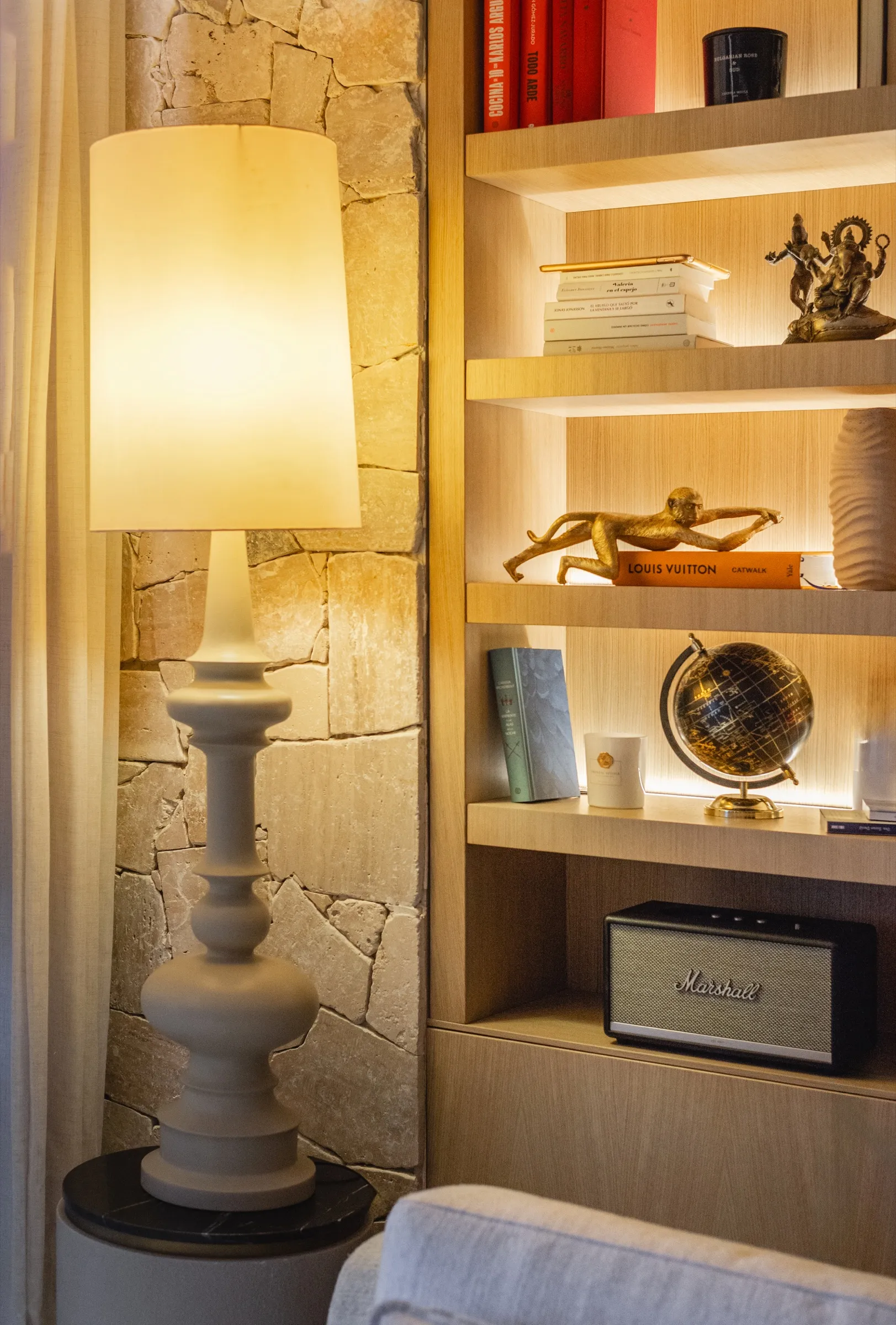
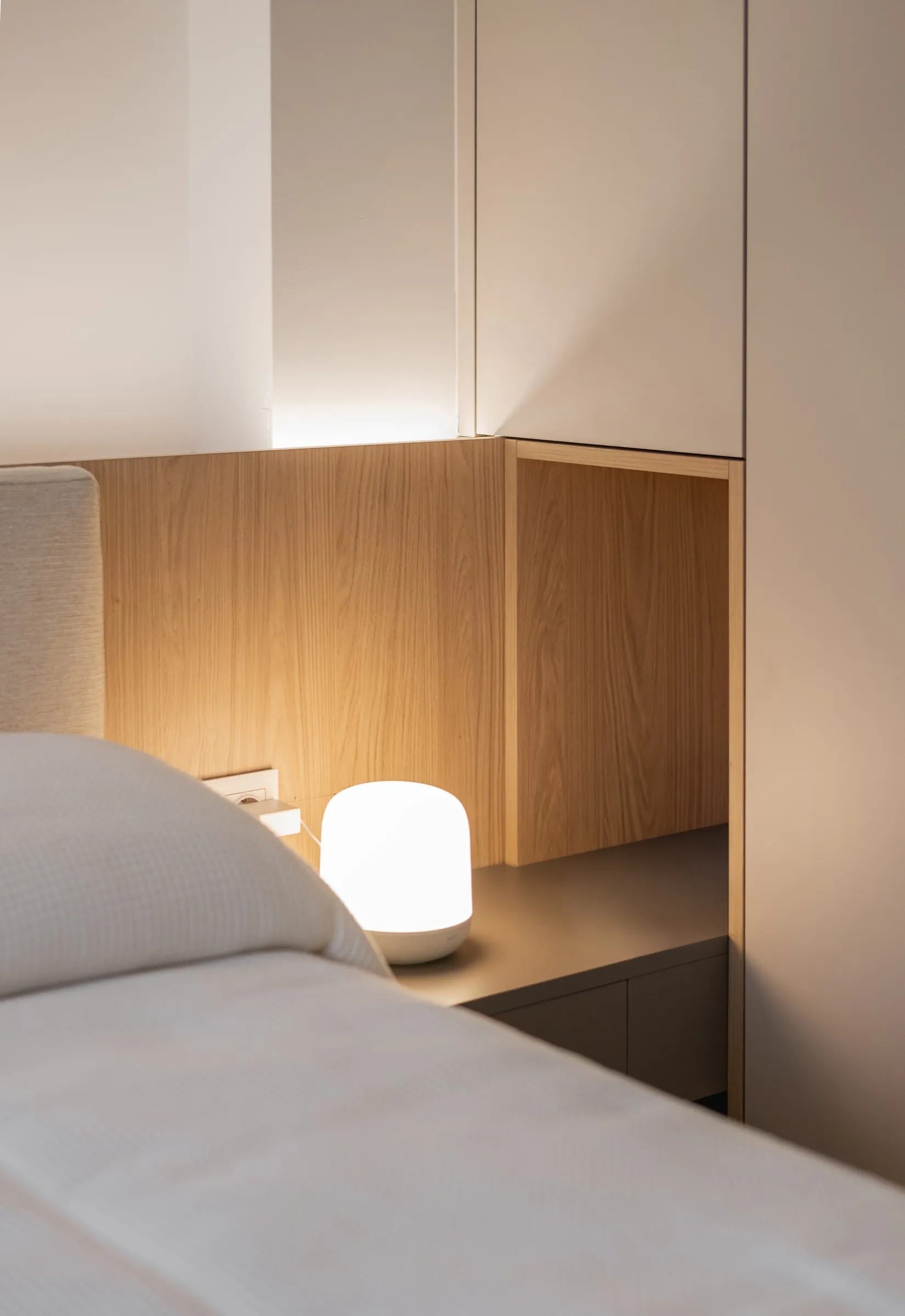
Warm and welcoming environments: Off-whites, beiges and light woods create a sense of calm and brightness, making them ideal for kitchens that are used every day.
-
Practical maintenance: Light-coloured surfaces tend to conceal minor marks, dust and fingerprints more effectively, especially when combined with satin or textured finishes.
-
Timeless style: A light kitchen makes it easier to update its aesthetic over time and integrates effortlessly with different combinations of materials.
Therefore, choosing between dark or light tones is not about deciding which option is the “prettiest” or most “on-trend”, but rather which one best responds to the space and the way it is lived in. The key is to analyse the natural light, how the kitchen will actually be used and the desired aesthetic.
When these decisions are made thoughtfully, the kitchen not only looks good, but works better.